

Houseplants: 4 Benefits for Your Home and Well-Being
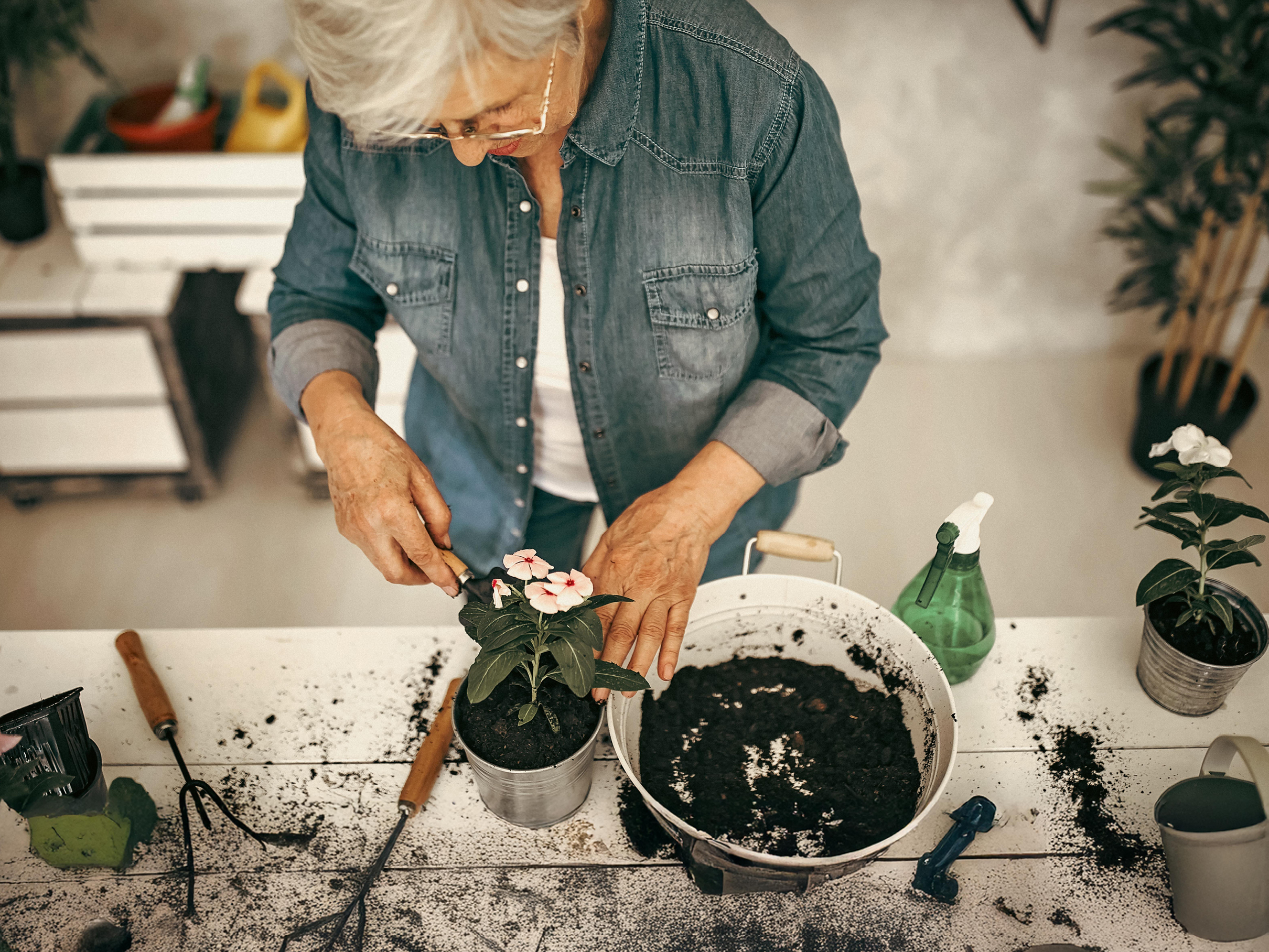
Houseplants are more than just a decorative trend. The right ones can create a calming atmosphere, add a little moisture to the air, provide an enjoyable daily routine and bring personality to any room without breaking the bank.
For older adults and other family members alike, the key is to choose plants that suit the available light and space, as well as the time you can devote to their care. Here are four benefits of indoor plants, along with simple tips for enjoying them every day.
1. Plants and humidity: the perfect pair
Let’s start by clearing up a common misconception: contrary to popular belief, houseplants do not significantly improve the air quality in your home.
A review by Bryan E. Cummings and Michael S. Waring, published online in 2019 and in print in 2020, found that an unrealistic number of plants – between 100 and 1,000 per square metre – would be needed to significantly improve indoor air quality. Good ventilation and reducing pollutants at their source therefore remain the priorities.
That said, plants offer other benefits for our living spaces. In addition to absorbing carbon dioxide and releasing oxygen through photosynthesis, they help regulate indoor humidity by releasing water vapour into the air. This process, known as transpiration, can be particularly beneficial in winter, when indoor air tends to be drier.
Of course, the number of plants needed to achieve this depends on several factors, including their size and type, the room’s environment and its overall size.
To maintain a comfortable indoor environment, Health Canada and Quebec’s National Institute of Public Health generally recommend keeping relative humidity between 30% and 50%. A small hygrometer can help you monitor humidity levels. If condensation appears on windows or a musty smell develops, it’s best to improve ventilation and identify the source of the problem.
While some people choose to use humidifiers in their homes, plants offer a natural, eco-friendly way to help maintain a comfortable level of humidity. Good options include spider plants, areca palms and calatheas.*
2. A little green for a calmer scene
Houseplants can also contribute to our psychological well-being. Their shapes, colours and gently swaying leaves bring a calming touch to everyday life and offer a pleasant connection with nature.
Scientific evidence also supports this idea. A systematic review published in 2022 identified several beneficial effects of indoor plants on people’s physical and mental state. Researchers nevertheless urge caution when interpreting these results. While plants can support well-being and relaxation, they are not a replacement for professional care or treatment when required.
In our sometimes hectic daily lives, caring for a plant encourages us to slow down. Admiring the delicate veins of a purslane plant or cleaning the leaves of a Boston fern calls for patience and care, creating an almost meditative experience.
For older adults, these simple tasks can provide a gentle daily routine and the pleasure of nurturing a living thing, without the need for a large garden or many supplies.
Much like a pet, a plant can become a comforting and familiar presence. Residents of retirement complexes can also enjoy landscaped gardens and green spaces to nurture their connection with nature.
3. Natural ways to keep pests at bay
Some aromatic plants can also help keep unwanted insects away. The natural compounds they release may help repel mosquitoes, flies and aphids. Here are a few easy-to-care-for plants with insect-repellent properties:
- Rosemary: Easy to grow in a pot, rosemary has a strong fragrance that helps deter insects like mosquitoes, ants and flies. As a bonus, its aromatic leaves can also be used in cooking.
- Marigolds: These flowers have a scent that can help deter whiteflies, aphids and flea beetles. Grown on a windowsill or balcony pot, they can provide a natural line of defence against certain pests.
- African basil: Unlike common basil, African basil is not typically used as a culinary herb. Its distinctive aroma can help repel mosquitoes and certain types of fruit flies!
Of course, simply having these plants around may not be enough. Installing window screens, removing standing water and regularly cleaning surfaces are all effective complementary measures for keeping pests at bay.
If you have a cat or dog, it’s also important to take precautions. Always check the exact botanical name of any plant you’re considering against a reliable veterinary resource, such as the ASPCA’s database of toxic and non-toxic plants.
4. Bring your home to life with houseplants
Beyond all these benefits, let’s not forget that plants bring a touch of life and freshness to our surroundings, creating a warm and welcoming atmosphere. Whether you choose succulents, potted flowers or hanging plants, their natural beauty can instantly transform your living space with vibrant colours and varied textures.
Plants also add colour, depth and personality to any room. Green, in particular, is often seen as a soothing colour that blends easily with a variety of decorating styles.
In the Chinese practice of Feng Shui, the arrangement of a space is believed to influence the flow of energy, and plants, which represent the wood element, play an important role. Their thoughtful placement is said to promote harmony in a room. For example, plants placed in the east are associated with vitality and health, those in the southeast with abundance, those in the northwest with inspiration and knowledge, and those in the west with creativity.
Certain plants are especially valued in Feng Shui for their symbolism and their association with positive energy. The orchid, for example, is admired for its beauty and is said to symbolize personal growth and fulfilment. The pachira aquatica, commonly known as the money tree, is believed to attract prosperity, particularly when placed in the southeast corner of a room.
Adding beautiful plants to our homes does more than brighten our living spaces. Carefully chosen and thoughtfully arranged, they bring character to every corner while creating a cheerful, harmonious atmosphere.
Houseplants: Let’s get growing! Q&A
Wondering which plants to choose, whether they can purify the air or how to make them easier to care for? Here are quick answers to some of the most frequently asked questions.
Do houseplants really purify the air?
Not to any significant degree in a typical home. Findings from laboratory studies do not reflect real-world conditions in a house. Houseplants are therefore no substitute for proper ventilation, reducing pollutants at their source or using an air purifier when recommended.
What are the benefits of houseplants for older adults?
Houseplants can make a living space feel warmer and more inviting while providing a simple daily routine. Watering a plant, watching it grow or tending to its leaves can promote relaxation and a sense of accomplishment. Of course, these benefits vary from person to person.
Which houseplants are easiest to care for?
The cast iron plant (aspidistra), parlour palms and baby rubber plants are all good options to consider. The best choice depends largely on the available light and your watering habits. If you have a pet, always check whether the specific plant species is toxic before bringing it home.
Are houseplants suitable for the bedroom?
Yes, provided the light and temperature are favourable. Choose a low-maintenance plant with little or no fragrance that is non-toxic, such as a spider plant. If you have allergies or respiratory problems, consult a healthcare professional. Place the plant in a stable pot away from walkways, and ensure good ventilation.
What are the best ways to care for plants with reduced mobility?
Keep plants within easy reach, group those with similar care requirements together and use a small, lightweight watering can. Self-watering pots and reminders can also simplify plant care. Ask for help when moving or repotting heavier plants.
Nature has many ways of enriching our daily lives, and bringing houseplants into your home is a gentle way to reconnect with a more balanced lifestyle. The benefits we’ve explored are just a glimpse of what plants have to offer. Now it’s your turn to explore, experiment and find ways to bring a little more greenery into your surroundings!
*All our recommendations are safe for pets.