
Sailing through your 70s: How to plan and choose your cruise!
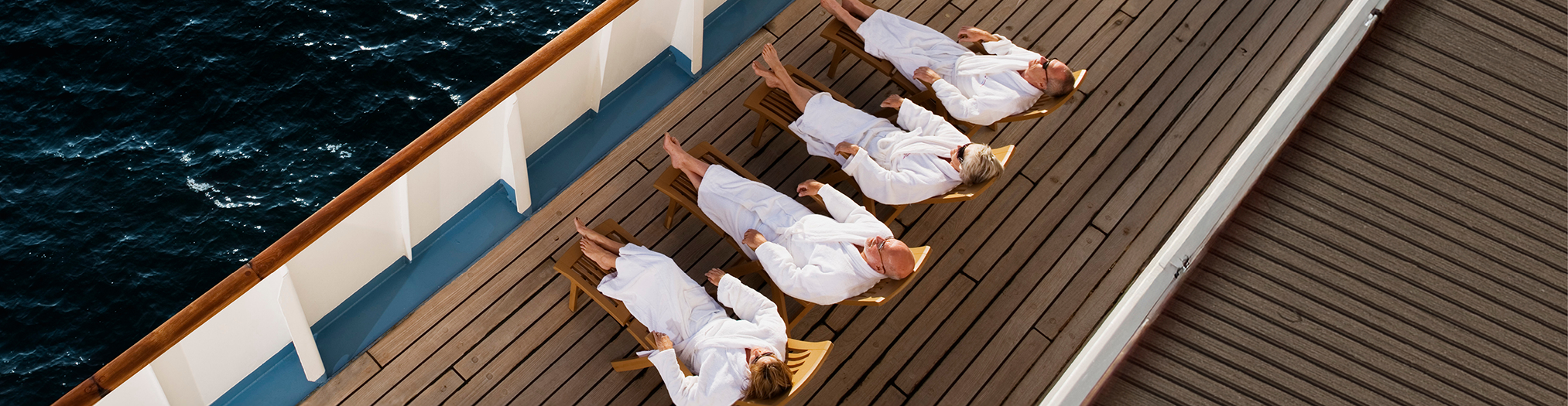
When it comes to a cruise, destination is only part of the equation. As priorities evolve over time, certain details carry greater weight in the decision. And being well prepared can make all the difference when you choose your cruise. To provide greater clarity, we met with Brigitte Lefebvre, a seasoned traveller who has completed nearly 60 cruises, and who shares her advice here for travellers aged 70 and older.
Start by asking the right questions
Before you even start looking at itineraries or special offers, it’s essential to assess your physical condition and energy level. The way you choose your cruise will differ depending on whether you’re feeling fully fit or prefer to limit how much you have to move around.
For example, the length of the flight to the departure port, the duration of the cruise itself, and how far the destinations are can all be decisive factors when your energy is low. Overly long or complicated itineraries can quickly become exhausting.
Also remember to check what type of visa or travel requirements are needed for the countries you’ll be visiting, either with the relevant embassies or – if you’re booking through a travel agency – directly with them. Entry requirements can vary depending on your nationality, the itinerary and the destinations.
Understanding the actual cost of a cruise
Naturally, budget also plays a role. Whether you’re booking online or with a travel agent, keep in mind that the listed price of a cruise usually covers your cabin, standard dining and onboard shows.
Many costs are not included in the base fare: tips, drink packages (where offered), excursions and specialty dining. You should also factor in travel insurance, flights and often one or more hotel nights prior to setting sail – an ideal way to guard against potential flight delays.
So, it makes more sense to look at the overall cost instead of the per-day price. For reference, a seven-day all-inclusive cruise for two people (including tips, drink packages, airfare and more) currently averages around CAD $7,000 – about $1,000 per day, or $500 per person. Prices may fluctuate depending on the season, the cruise company and the cabin category.
When should you book to get the best price?
There are two approaches. Booking far in advance – sometimes a year ahead – gives you access to the best itineraries and attractive price guarantees. And keep in mind that the most popular cruises, on the fanciest ships or during peak seasons, often sell out well in advance. If peace of mind matters to you, planning ahead is always a safe bet.
On the other hand, last-minute deals, two to three months before departure, can be advantageous, especially if the ship isn’t full. Booking before Christmas also often comes with especially low prices. If you’re flexible and adventurous enough to book more spontaneously, this approach can offer excellent value for the money.
Furthermore, if you’re already on a cruise and wish to reserve your next journey directly on the ship, you can do so by paying a deposit. This deposit is generally much more affordable than through an agency – around $100 compared to the usual $1,000.
Planning your destination according to the season
At different times of the year, some regions of the world are especially sought after by travellers. Naturally, your choice will depend on your interests, but here are a few destinations that are best enjoyed during specific seasons:
- Spring: Europe and the Mediterranean… for awakening nature, blooming landscapes, cultural immersion and rising temperatures.
- Summer: Alaska, Iceland, Norway or the British Isles… for fjords, glaciers and local wildlife. A great way to escape Quebec’s summer heat.
- Autumn: Europe again… with its mild climate. Ideal for exploring historic sites and with fewer tourists.
- Winter: The Caribbean… for dry air, pleasant temperatures and calm seas – bypassing the hurricane season!
How the ship shapes your cruise experience
Beyond the destination, the choice of ship – both in size and capacity – plays a key role in your cruise experience. Mid-sized ships, carrying around 3,000 passengers, offer a calmer atmosphere, shorter walks and easier access to common areas compared to larger vessels. The bigger ships, designed more for large groups or families, can carry over 6,000 people. Definitely something to carefully consider!
It’s also worth looking into the cruise line’s reputation, the quality of food, how easy it is to move around the ship and the type of guests it attracts. Several companies provide a calmer, more relaxed ambiance to cater to travellers seeking the peaceful side of cruising.
Sailing solo or with others?
Cruises are great for both group trips and solo travellers, but there are some practical points to know. If you’re traveling alone, most lines favour double cabins and often charge a “single supplement,” meaning you may pay the double rate and face higher costs.
On the other hand, travelling as a couple or in a small group not only helps share costs but also allows you to fully enjoy the social side of cruising. That said, even with friends or on an organized trip, you still have plenty of freedom on board – everyone can plan their days at their own pace and come together only for meals or activities of their choice.
Choose your cruise but also the right cabin
Keep in mind that your cabin is truly your anchor during a cruise. Choosing an outside cabin, midship and near the elevators, helps minimize long walks through the corridors. It’s also more stable in rough seas than cabins located at the front or back of the ship.
If your budget permits, choosing a cabin with a balcony adds significant value. It provides a private space to enjoy the fresh air, take in the scenery or rest away from the onboard activity. This can be particularly beneficial during long days at sea or when you need some extra relaxation.
Excursions ashore and life onboard
Choosing a cruise also means choosing your lifestyle on board. Once on the ship, everyone can go at their own pace and enjoy complete freedom! You might join organized excursions, which provide a structured and safe framework while still allowing for exploration. These excursions are especially popular, so it’s best to book them in advance, as spots are limited.
If your personal idea of a vacation is different from others, no problem. You can easily stay on board, lounge on a deck chair with a good book or your tablet, swim in the pool, or simply enjoy the sea breeze. In other words, you do you!
Keep in mind that cruises are like floating hotels, designed to cater to your every need. Everything is in place to please you:
- Nightly shows
- A variety of restaurants and buffets
- Indoor and outdoor pools
- A casino
- Shops and boutiques
- Bars and nightclubs
- Gyms with fitness and yoga classes
- Wellness centers and spas
- Libraries, piano lounges, and card/game rooms
- And even a clinic with at least one licensed doctor and nurse!
What to stow before you go
When packing, of course, tailor your clothing to the expected climate and bring a few smart outfits for elegant evenings. Most cruise ships also supply travel adapters and basic toiletries, such as towels, personal care products and hairdryers, allowing you to pack light.
Even though medical services are available on board, be sure to bring your own first-aid kit and at least two extra weeks of any medication. This ensures you’re covered in case of delays, extended stops or changes to the itinerary.
Finally, don’t forget your IDs and credit cards. Make photocopies or digital versions of your documents; keep your passport in the ship’s safe, but carry a copy of it along with the originals of your payment method and identification when you go on excursions.
As you can see, getting the most out of your cruise requires careful planning. The key is to choose your cruise according to your pace, priorities and the onboard atmosphere you’re looking for. We hope these recommendations help you in making your choice and in enjoying every stage of the voyage, from boarding… to your return home.